How Banking Behaviour Influences SASSA SRD Approvals | Official Process
Most applicants believe that SASSA only checks their bank account for income above the SRD threshold. While income detection is part of the system, the reality is that SASSA’s financial verification is far more detailed. The backend algorithm evaluates banking behaviour, not just the amount you receive. This is why some applicants with no income still experience delays, re-verification, and “referred” statuses, despite genuinely qualifying.
See Also: SASSA Status Check

Banking behaviour is one of the least understood parts of the SASSA SRD process because none of these signals appear on the dashboard. Instead, they operate silently in the background, influencing monthly decisions and risk analysis. Understanding these behaviour patterns helps applicants maintain stable profiles and avoid unnecessary declines.
SASSA Evaluates Banking Behaviour
The SRD system is designed to prevent fraudulent or ineligible claims. Because applicants declare that they have no source of income, the system must verify this through financial behaviour, not merely through visible income entries.
SASSA uses external financial databases to read account activity trends. These trends help the system determine whether the account reflects the profile of someone who qualifies for temporary social relief. If the activity does not match expected patterns, the system triggers deeper verification even if no income is detected.
Inactive Accounts
One of the most misunderstood factors is that completely inactive accounts may trigger review. While inactivity may seem harmless, the algorithm associates long-term dormancy with incomplete financial data. If the system cannot read stable patterns, it sometimes delays approval until it receives clearer signals.
For example, an applicant who has not used their account in months may face longer “pending” periods because the system cannot reliably confirm that the person has no income. Dormant behaviour is not a decline factor, but it often leads to additional checks.
Install: SASSA App
Inconsistent Activity
Some applicants use their bank accounts only occasionally. They may receive small deposits, perform one-off transfers, or reactivate an account after long periods of inactivity. These irregular patterns create gaps in the financial data.
When the algorithm detects inconsistent movement, it temporarily holds the application until the system verifies that these activities do not reflect income. A single small deposit is usually harmless, but repeated patterns, even with low values, may prompt additional checks.
Third-Party Deposits
Another important signal is the presence of third-party or unknown deposits. These deposits may not be income, but the system cannot automatically differentiate their purpose. Payments from friends, family, or mobile wallets may trigger internal risk signals if the account shows patterns that resemble informal income.
Applicants often panic when they see delays after receiving small transfers, but these deposits simply require the system to confirm that the funds are not regular earnings.
High-Frequency Low-Value Transactions
Surprisingly, accounts with very frequent small transactions sometimes trigger re-verification. These patterns resemble micro-business activity or informal income streams. Even though the amount is low, the behavioural pattern can cause the system to pause approval until it finishes evaluating the movement.
This situation is especially common among applicants who use mobile money services extensively or who borrow and repay small amounts frequently.
Sudden Banking Reactivation
An account that becomes active after months of inactivity may prompt deeper analysis. To the system, a sudden burst of usage can signal a possible income source, a temporary cash inflow, or a financial irregularity. Again, this does not mean the applicant is earning money; it simply triggers a stability check.
Applicants who recently reopened accounts or switched banks often experience this delay because the system needs time to build new behavioural patterns before confidently approving the profile.
Check Out (For SASSA Beneficeries): SASSA Grants Payment Dates
Payment Routing
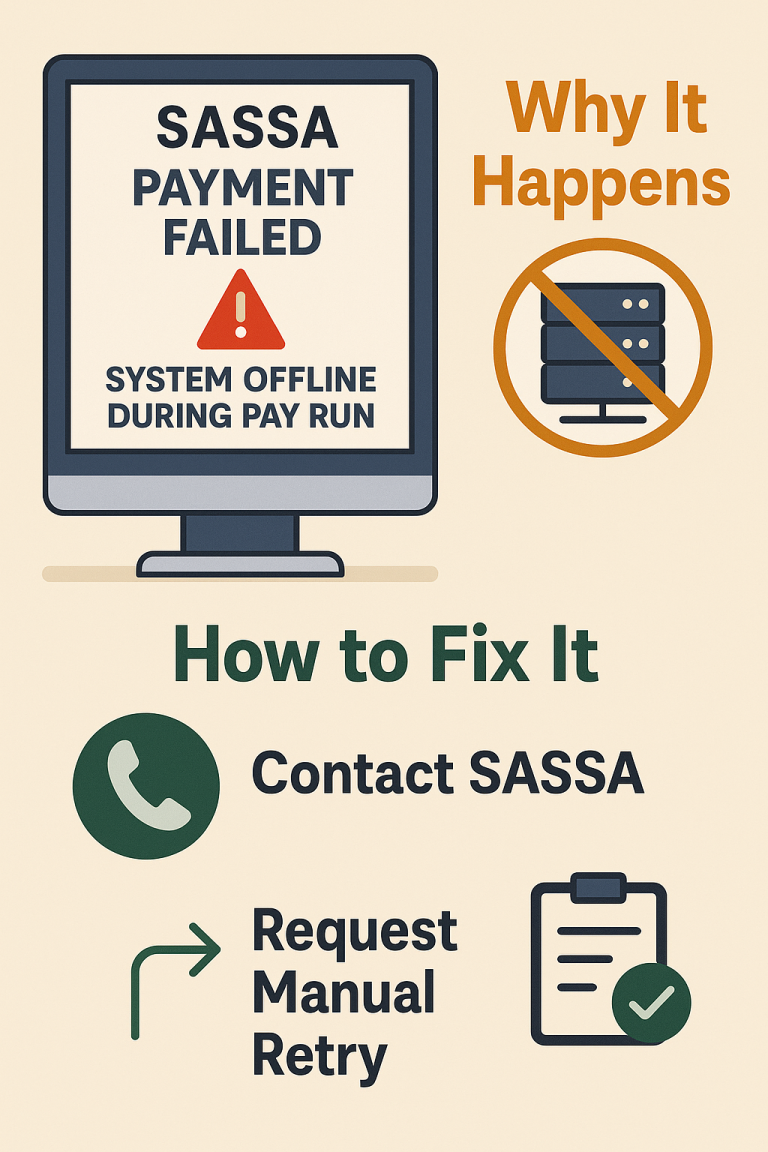
Banking behaviour also impacts how smoothly SASSA can route payments. Banks supply verification responses that confirm whether the account name, ID, and account type match SASSA’s records. If an account shows irregularities especially if it was recently opened, frequently updated, or carrying pending verification flags the system may slow down approval while it waits for confirmation from the financial institution.
This process explains why some applicants see “bank verification pending” even when their details are correct.
Why Two Applicants With No Income Receive Different Outcomes
Two people with the same income status may be assessed differently because their banking behaviour is not the same. One applicant may have stable, predictable activity, while another may have inconsistent or irregular patterns. The system reads behaviour, not just balance. Banking stability leads to faster approvals. Banking irregularities whether harmless or not lead to deeper checks.
How to Maintain a Stable Banking Profile
Applicants can improve financial clarity by keeping their banking behaviour consistent. Using one account, avoiding frequent changes, and maintaining predictable activity patterns help the system verify eligibility faster. Small deposits won’t disqualify a person, but they may slow down verification if the system cannot interpret them clearly. Stability and consistency are the two strongest signals the SRD algorithm looks for.