Is SASSA Moving Toward a Fully Digital Grant System
Over the past few years, the way SASSA operates has changed quietly but consistently. Processes that once depended heavily on physical offices, paper forms, and manual verification are increasingly handled through digital systems. While SASSA has not officially declared a move to a fully digital grant system, the direction of recent changes suggests a steady shift toward greater automation and online self-service. Understanding this direction matters because it helps beneficiaries prepare for what the system may look like in the near future.
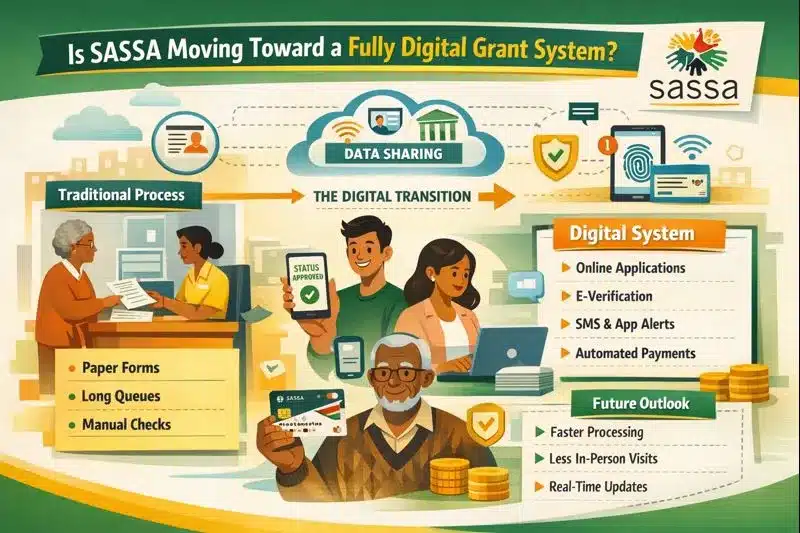
This article looks at how SASSA has evolved so far, what those changes indicate, and whether a fully digital grant system is a realistic next step. You must go through SASSA Status Check if you are already a SASSA Beneficiary. Still not getting grants, then you can apply online for SASSA on the basis of eligibility.
How SASSA Used to Work
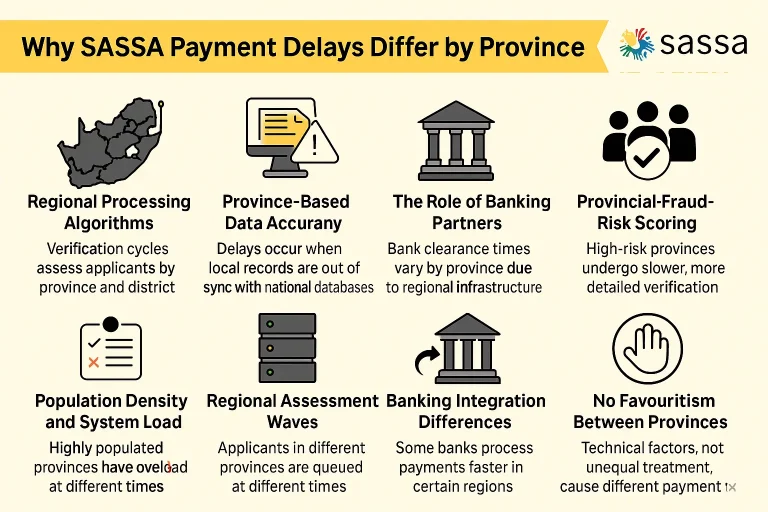
Historically, SASSA relied on in-person interactions. Applications, updates, and queries were handled at local offices. Verification depended on physical documents and face-to-face checks. While this approach allowed direct human interaction, it also created long queues, delays, and regional inconsistencies. Processing times varied widely, and access was often difficult for people living far from SASSA offices.
This older model worked when applicant numbers were lower, but it struggled once demand increased and systems became overstretched.
Signs of a Digital Shift
In recent years, SASSA has introduced systems that reduce the need for physical presence. Online applications, digital status checks, and automated verification processes have become normal parts of the grant experience. These changes did not happen all at once. Instead, they were added gradually, often in response to capacity pressure and the need to process applications faster.
What stands out is that many of these digital tools are now central rather than optional. Beneficiaries are expected to monitor their own status online, update banking details digitally, and wait for system-generated outcomes instead of direct human feedback.
Why Digital Systems Make Sense
From an operational point of view, a digital grant system offers clear advantages. Automated checks are faster than manual reviews and reduce the risk of inconsistent decisions. Digital records are easier to store, retrieve, and re-verify over time. For SASSA, this improves control, reduces fraud risks, and lowers long-term administrative costs.
For beneficiaries, digital systems remove some barriers, especially for routine actions like status tracking or updating details. However, they also shift responsibility onto the user, requiring access to a phone, basic digital skills, and patience with automated processes.
What “Fully Digital” Really Means
A fully digital grant system does not mean that human involvement disappears completely. Instead, it usually means that human intervention becomes the exception rather than the rule. Most applications and verifications would be handled automatically, while complex or flagged cases would be reviewed manually.
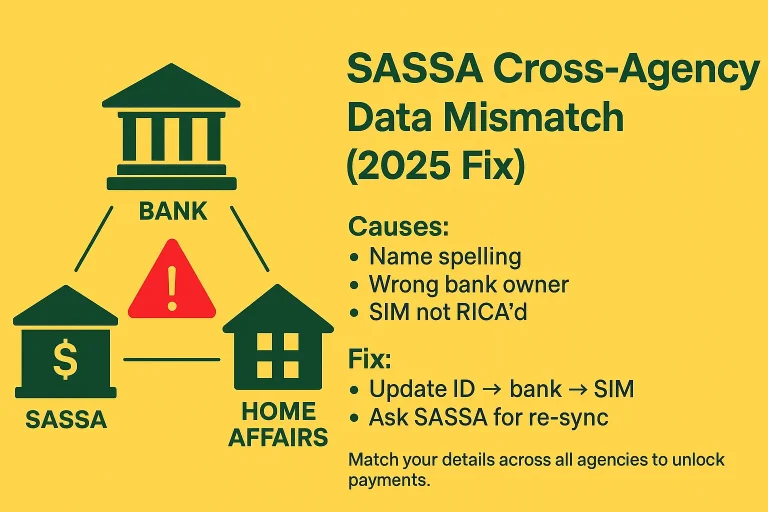
This type of system prioritises efficiency and scale. It also relies heavily on accurate data from multiple sources, which explains why SASSA has increasingly focused on verification and cross-checking processes.
Challenges That Still Exist
Despite clear movement toward digital operations, several challenges remain. Not all beneficiaries have equal access to technology. Connectivity issues, outdated devices, and low digital literacy can make self-service systems frustrating or inaccessible. A fully digital approach risks excluding vulnerable groups if support structures are not carefully maintained.
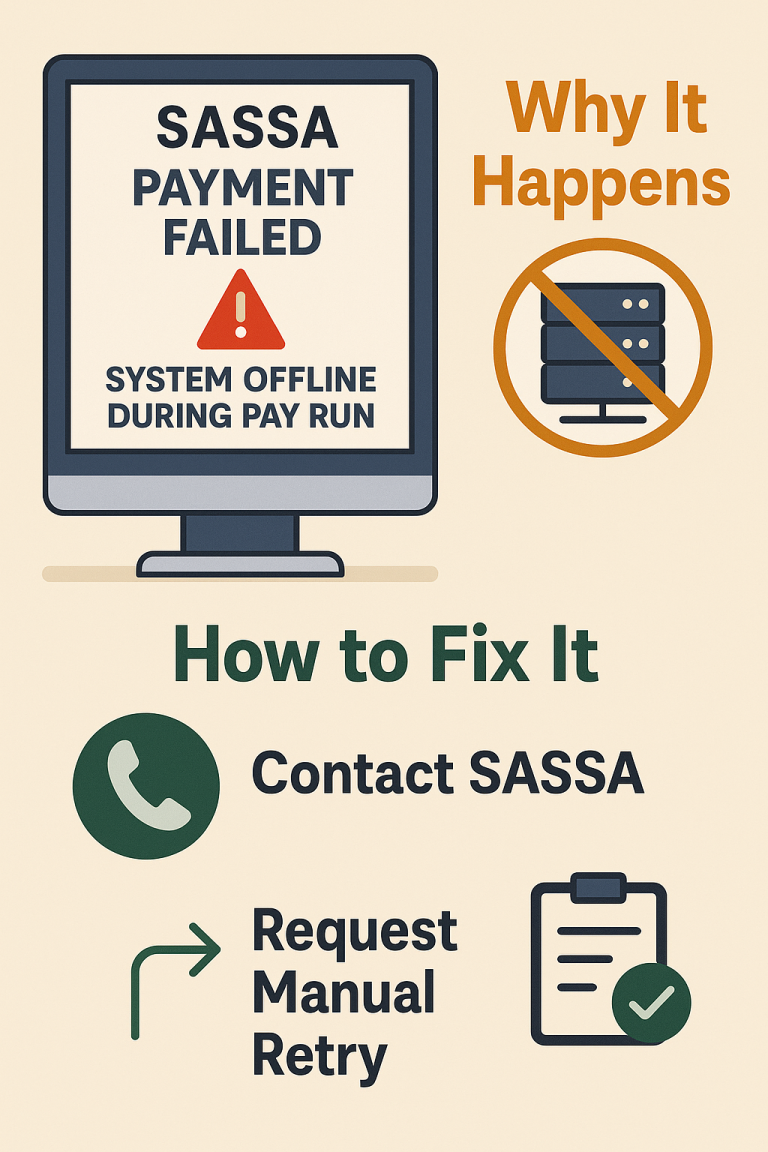
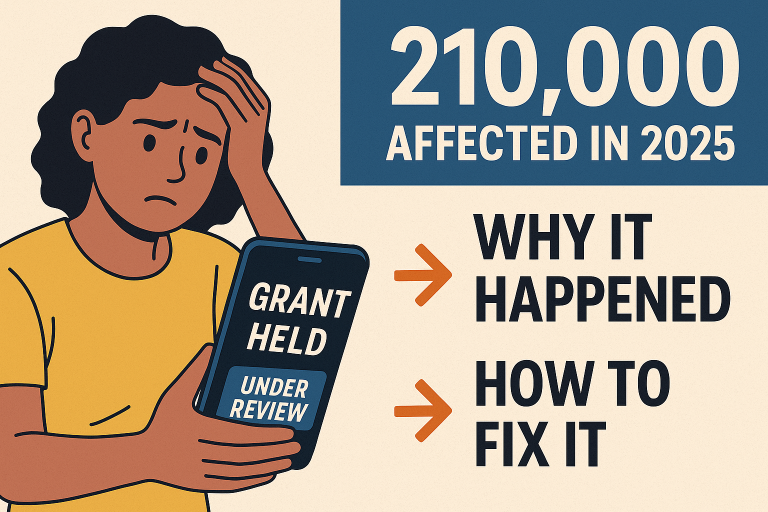
There is also the issue of system errors. Automated systems depend on data accuracy. When information is incorrect or delayed, beneficiaries can face long periods of uncertainty with limited human support.
What This Direction Suggests
Looking at past and recent changes together, it is reasonable to expect that SASSA will continue expanding its digital infrastructure rather than reversing course. Each update seems to reduce manual dependency and increase reliance on automated decision-making. This does not signal an immediate switch to a fully digital system, but it does suggest that future improvements will likely strengthen automation rather than human processing.
For beneficiaries, this means adapting to a system where understanding digital processes becomes increasingly important.
What Beneficiaries Can Do Now
Preparing for a more digital SASSA system does not require advanced technical skills. It starts with keeping personal information accurate, monitoring status updates regularly, and understanding that delays are often system-related rather than personal. As the system evolves, being informed and patient becomes just as important as eligibility itself.
Final Verdict
SASSA’s movement toward digital operations is not accidental. It reflects broader system pressures and long-term sustainability goals. While a fully digital grant system may still be developing, the direction is clear. Understanding this shift helps beneficiaries adjust expectations and engage with the system more confidently as it continues to evolve.